
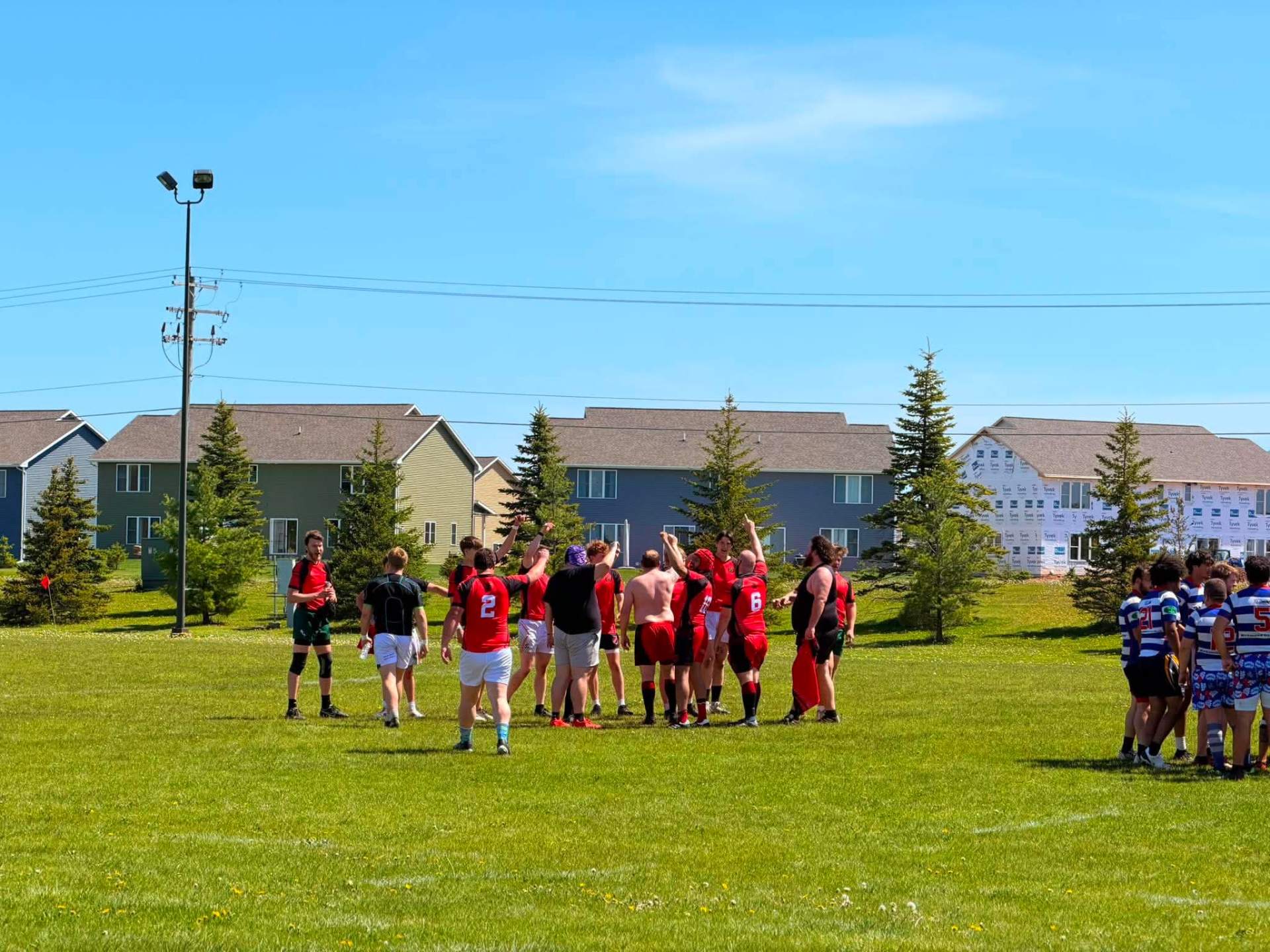
Learn the Game
What Is Rugby?
Rugby is one of the world's fastest-growing sports. Fast, physical, strategic, and welcoming to players of every size and athletic background.
Rugby in 60 Seconds
The whole game, in six ideas.
If you understand these six things, you understand rugby.
Two teams, one ball
Rugby is played between two teams of 15 (or 10, or 7). Everyone plays offense and defense — there are no specialists sitting on the sideline.
The objective
Score more points than your opponent by carrying, passing, or kicking the ball across their try line.
How you move the ball
Run with it, pass it backward or sideways, or kick it forward. No forward passes — ever.
Tackling & the breakdown
Tackle low, wrap the arms, and go to ground. Play doesn't stop — a forms and the ball keeps moving.
Continuous play
The clock rarely stops. Set pieces (, ) and breakdowns (, ) restart play quickly. Fitness matters.
Everyone attacks & defends
There is no offensive line, no kicker specialist, no red-zone package. Every player carries, passes, tackles, and hits .
"Rugby combines the endurance of soccer, the physicality of football, and the teamwork of basketball into one continuous game."
Scoring
How you score points.
Try
Ground the ball on or over the opponent's try line — the rugby version of a touchdown, except you have to physically press the ball to the ground.
Conversion
After a try, the scoring team gets a free kick at goal from a line straight out from where the try was scored.
Penalty Goal
Awarded after certain penalties. Kick at goal from where the penalty occurred, or tap and run.
Drop Goal
Scored during open play by drop-kicking the ball through the uprights on the half-volley.
Penalty Basics
Three rules that stop play.
If a player drops the ball and it travels forward, or bats it forward, that's a knock-on. It usually happens during a pass, a tackle, or a catch under pressure.
What happens: Play stops and the other team gets a to restart.
You must stay behind the ball and behind the last teammate who touched it. If you're ahead of the ball when a teammate plays it, you're offside.
What happens: The other team is awarded a penalty kick or a , depending on the situation.
A tackle must be below the shoulders. Anything around the neck or head is a high tackle — it's dangerous and strictly penalized for player safety.
What happens: The referee awards a penalty. Repeated or dangerous high tackles can result in a yellow or red card.
New to rugby terms? Every underlined word on the site opens a quick definition. Browse the full glossary →
Set Pieces & Breakdown
Four ways rugby restarts and keeps moving.
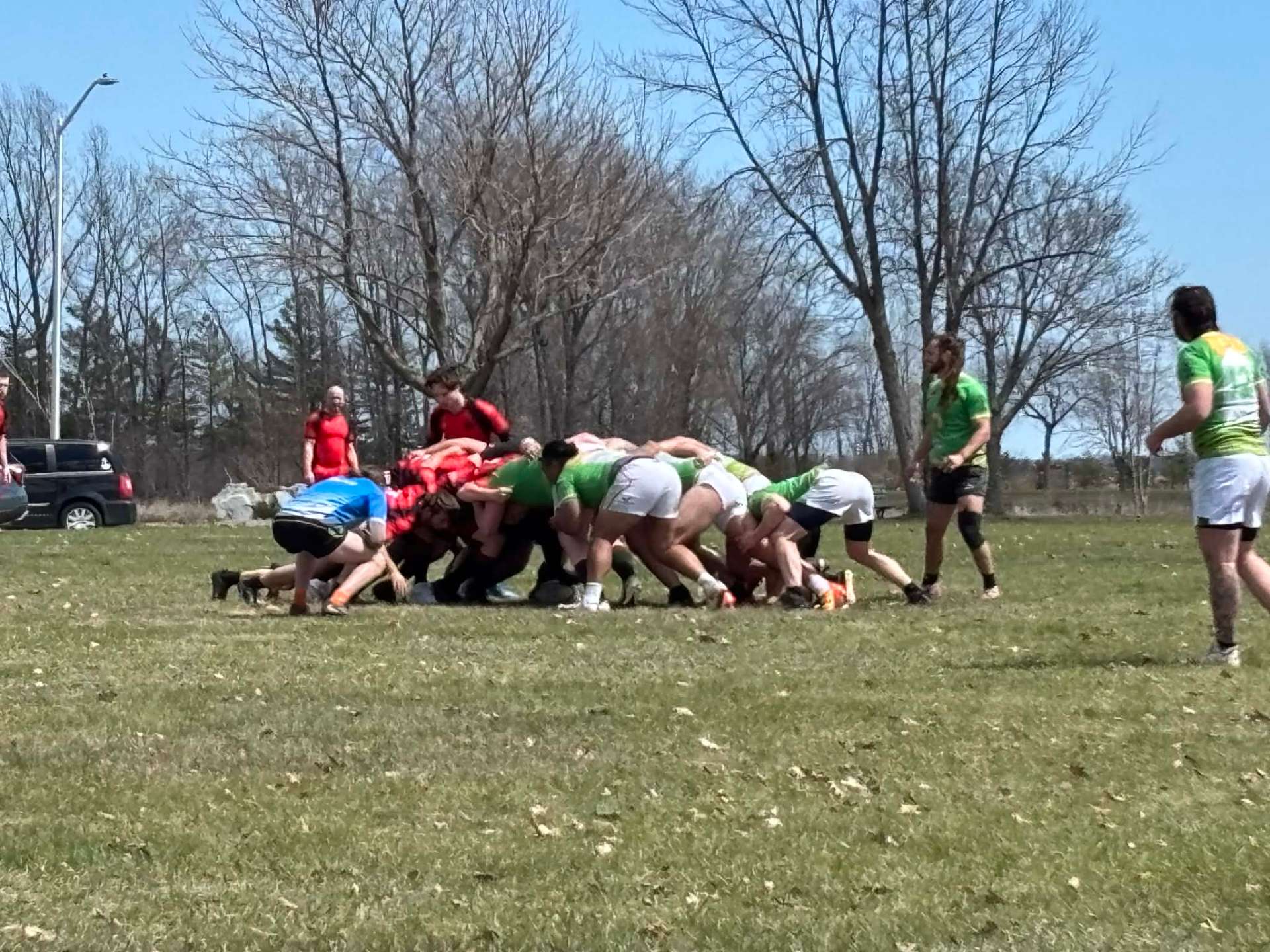
Eight forwards from each team bind together in a tight formation. The ball is rolled in between the front rows, and each pack tries to win possession with their feet.
What happens: The team that wins the ball usually passes it out to the backs to attack.
When the ball goes into touch, play restarts with a lineout. Forwards line up in two rows, and a player throws the ball back in between them.
What happens: Jumpers lift to win the ball, then the team attacks from the catch.
After a tackle, the ball-carrier releases the ball. Players from both teams converge over it on their feet, trying to win possession without using their hands.
What happens: The team that controls the ruck gets the ball, and play continues.
A maul happens when the ball-carrier is held upright by teammates and opponents. The ball stays off the ground and the two packs push for control.
What happens: If the maul stops or collapses, the referee awards a scrum to the defending team.
The Field
Tap around the pitch.
Rugby is played on a rectangular field about 100m long and 70m wide. Every line has a name — here are the ones that matter.
Field Feature
Try Zone
In-goal
The area behind the try line where a try is scored. Ground the ball here and it's 5 points.
The 15 Positions
Tap a jersey. See where you'd fit.
Every rugby team has 15 starters. Forwards win the ball. Backs move it. There's a role for every kind of athlete.
Forwards (1–8)
Backs (9–15)
Backs
Fly-half
- Primary responsibilities
- Direct the attack, kick for territory, choose when to run and when to pass.
- Typical body type
- Athletic, cool under pressure. Any size.
- Skills needed
- Kicking, passing, game management.
- Beginner-friendly note
- The quarterback of rugby. Expect to be the loudest voice on the field.
Why Rugby Is Different
Six things that set rugby apart.
Continuous action
The clock keeps running through tackles, offloads, and turnovers. It's 80 minutes of momentum.
Respect for referees
Only the captain speaks to the referee. Dissent is punished. It's one of rugby's proudest traditions.
Team-first culture
There are no stat sheets on the sideline. Everyone tackles, everyone rucks, everyone runs.
Every body type has a position
6'6" and long? Lock. 5'8" and quick? Scrum-half. 260 lbs? Prop. Rugby has a place for you.
Worldwide community
Walk into a rugby clubhouse anywhere in the world and you'll be welcomed. That's not marketing — that's the culture.
Lifelong friendships
Rugby's post-match tradition — sharing food and drink with the opposition — turns opponents into friends.
Rugby Around the World
One sport. Many formats.
The Berserkers compete in Rugby Union, Sevens, and 10s tournaments — and are planning the inaugural Valhalla 10s for 2027.
Rugby Union (15s)
The traditional form. Fifteen players a side, 80 minutes, played in leagues around the world.
Rugby Sevens
Seven-a-side, seven-minute halves. Fast, wide-open, and an Olympic sport since 2016.
Rugby Tens
Ten a side, ten-minute halves. A summer-tournament favorite — the Berserkers are planning the inaugural Valhalla 10s for 2027.
Rugby World Cup
Held every four years. One of the largest sporting events on earth, second only to the FIFA World Cup and the Olympics.
Olympic Rugby
Rugby Sevens returned to the Olympics in 2016 in Rio and has been a fixture ever since.
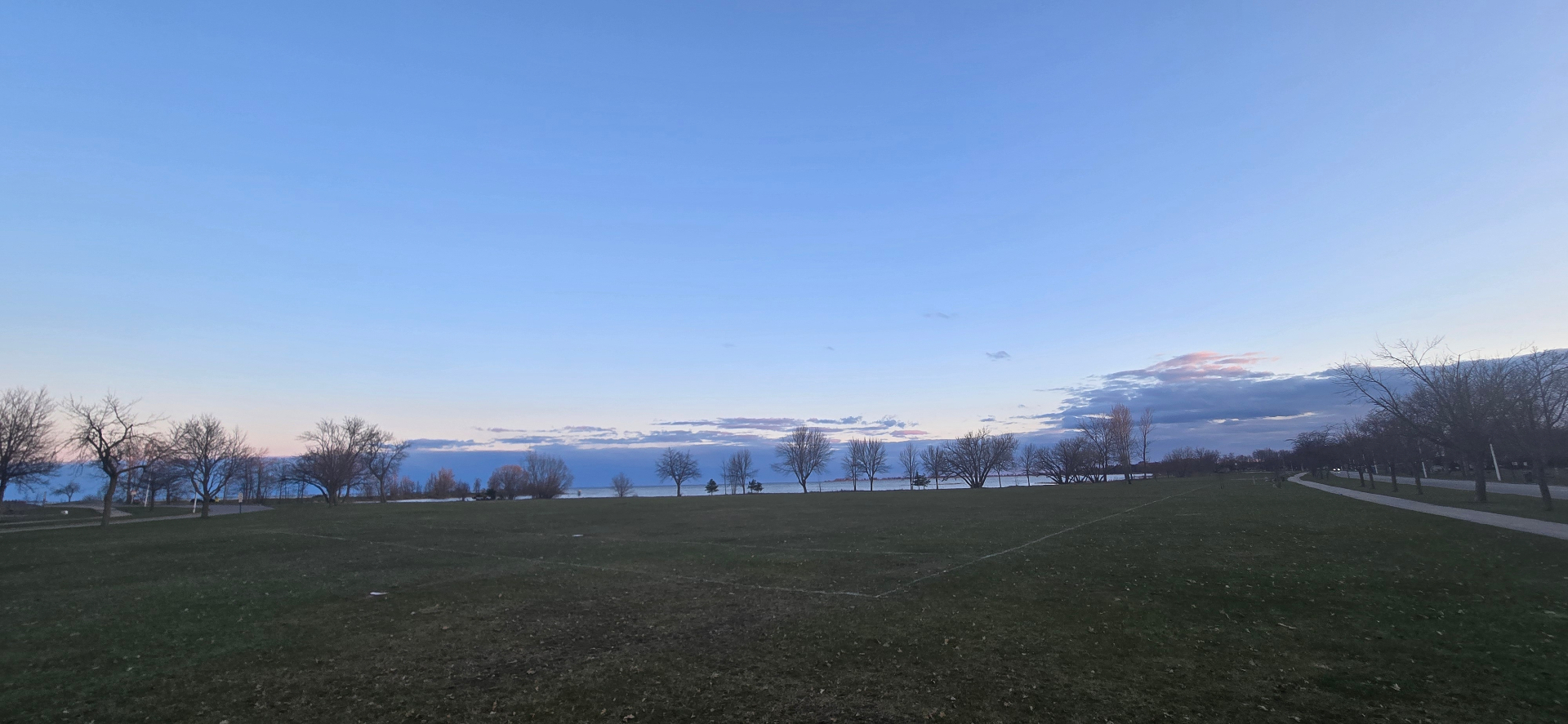
Michigan's Upper Peninsula
Rugby in the U.P.
The Escanaba Berserkers Rugby Football Club is Michigan's Upper Peninsula rugby home. We welcome players from across the U.P. — no experience required.
- Escanaba
- Gladstone
- Marquette
- Iron Mountain
- Houghton
- Menominee
- Delta County
Try Rugby
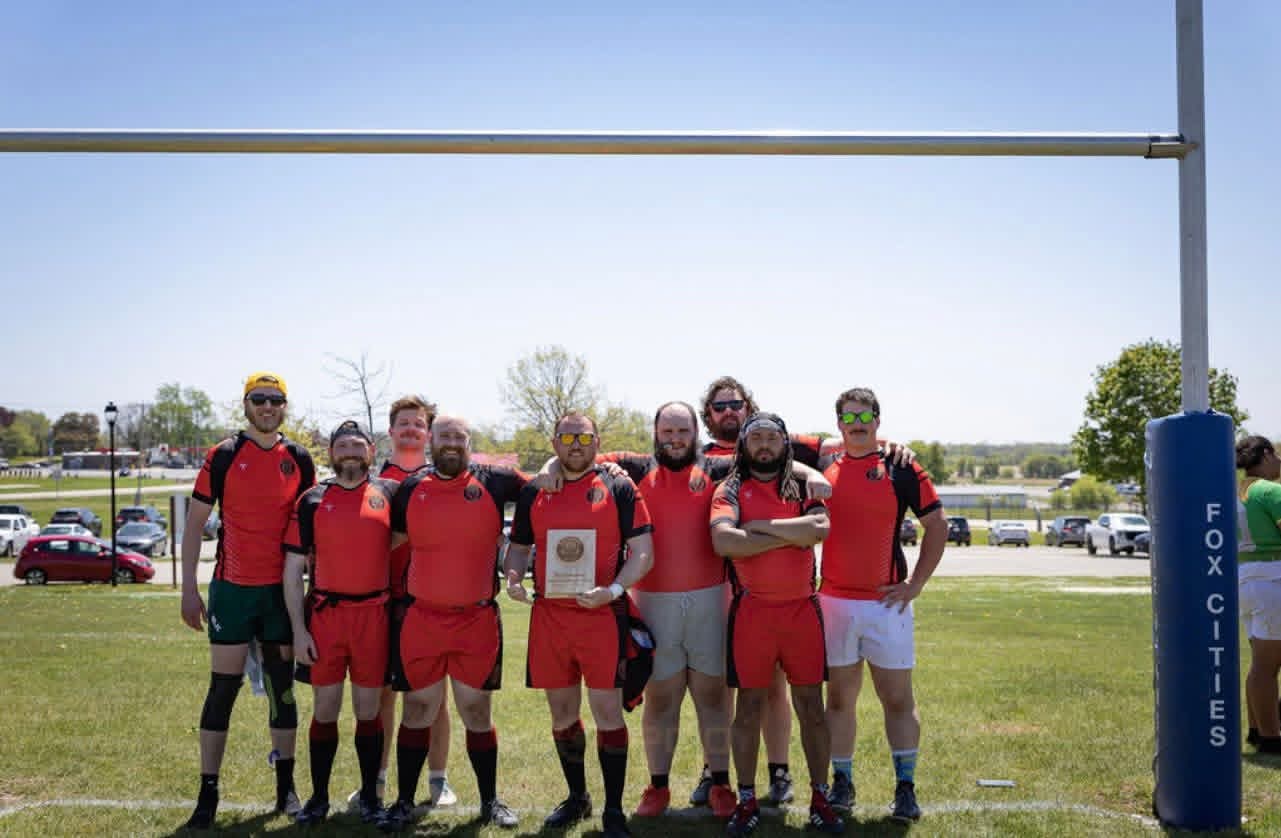
Ready to Become a Berserker?
No experience is necessary. Bring cleats, athletic clothes, water, and a willingness to learn. We'll teach you everything else.
Try Rugby
Have questions before you show up?
We answer every message. Ask about gear, ages, safety, or what a first practice actually looks like.